
By Kimagata Marindany
Johnson Sakaja is banking on the success of the cooperation agreement between City Hall and the National Government to bolster his re-election bid.
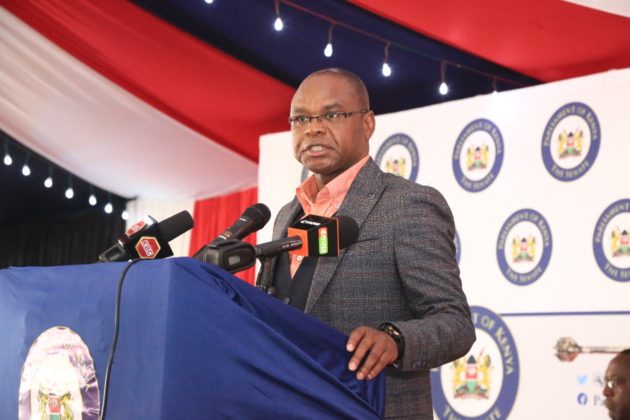
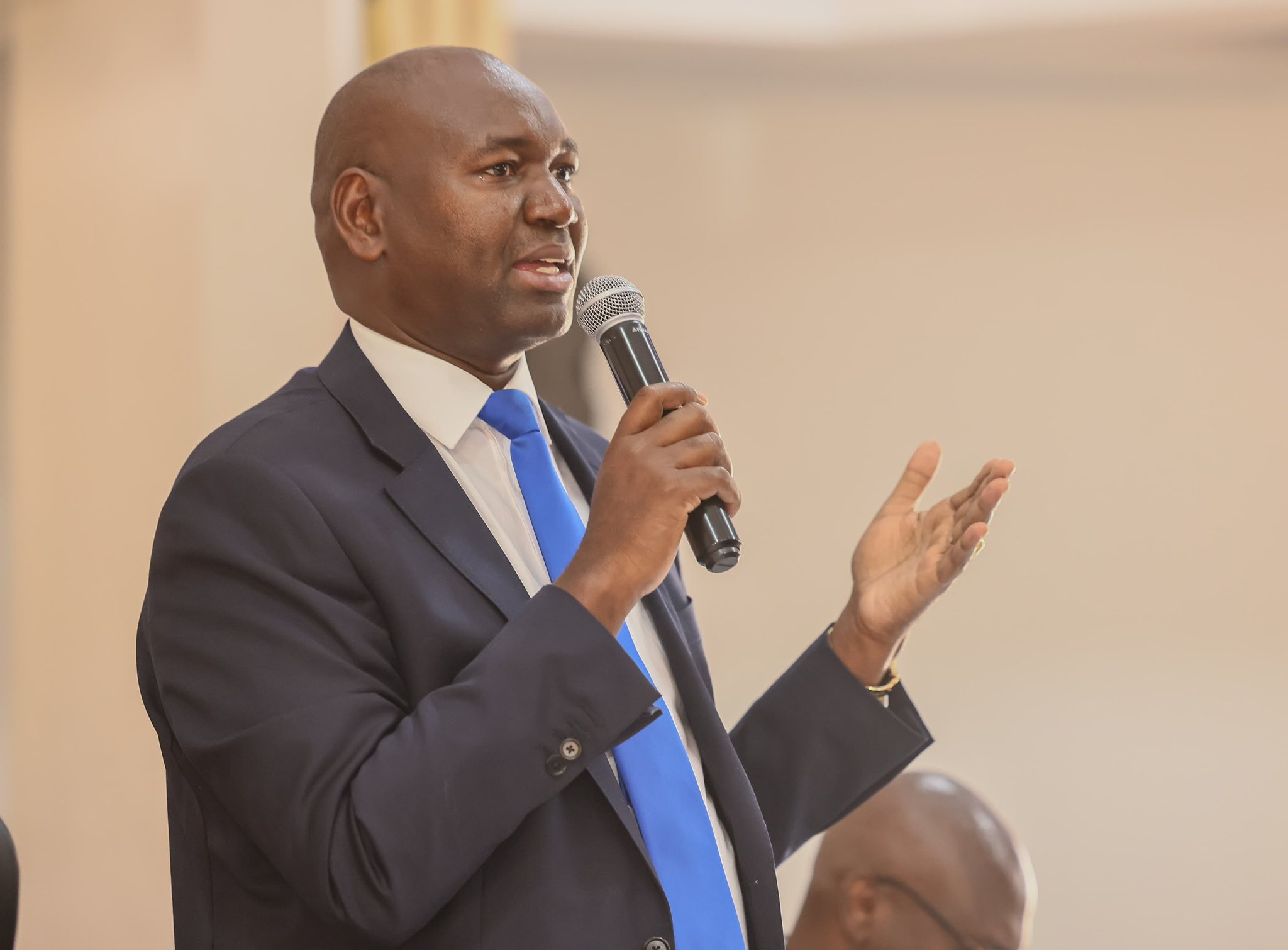
Speaking while defending the deal, Sakaja said that if the agreement is fully implemented as planned, there would be no reason for voters not to grant him a second term.
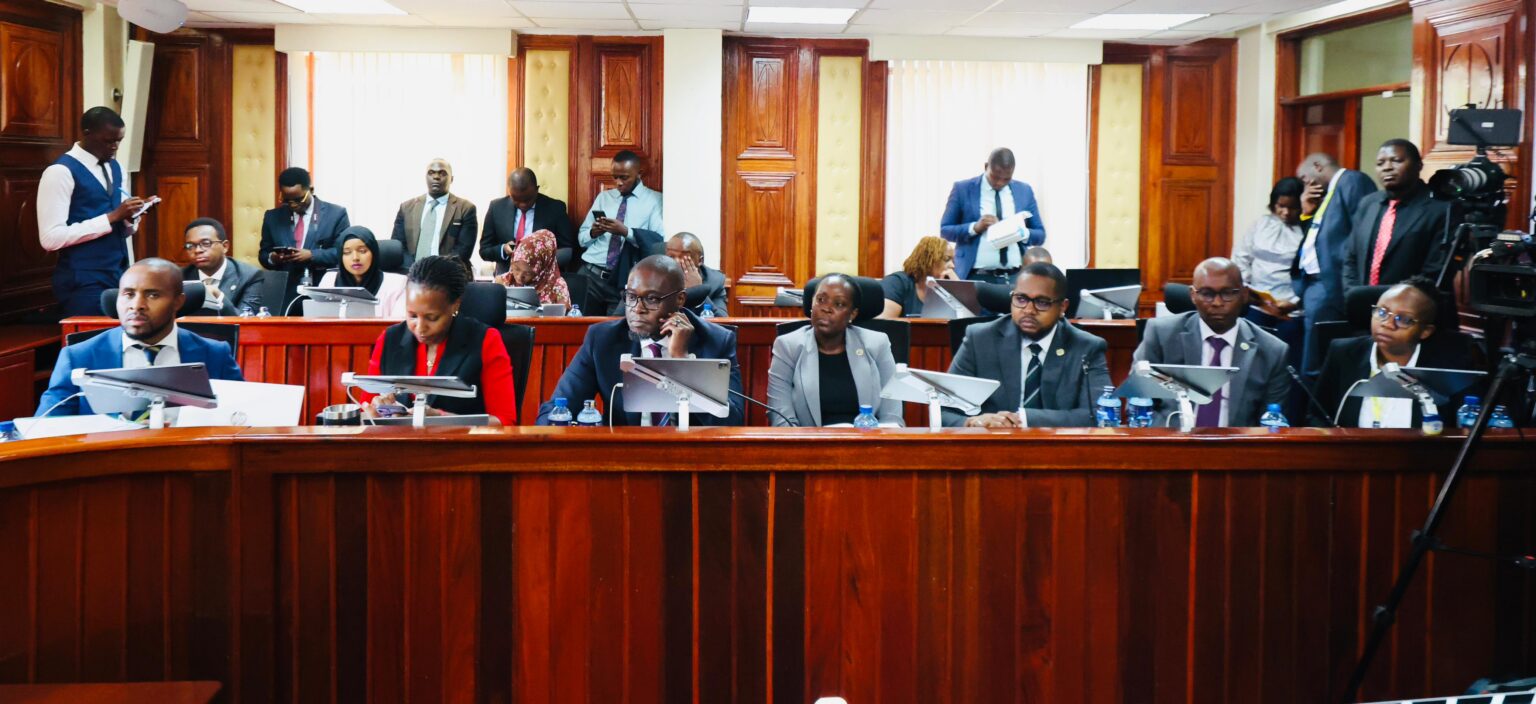
His remarks come as the Senate Committee on Devolution and Intergovernmental Relations prepares to review the cooperation framework between Nairobi City County and the National Government and table its recommendations, amid continued scrutiny of the landmark Nairobi–State partnership.
The planned review follows a meeting with the governor, who appeared before senators to respond to questions on the agreement’s intent, legality and financial oversight.
Sakaja maintained that the deal is neither unusual nor unlawful, but rather a long-overdue framework anchored in law and consistent with global best practice.
“I am ready to stake my career on this agreement because I am sure that if we implement it as we should, everyone will say ‘two terms’. Nothing else can work. Nothing else can solve Nairobi’s financing crunch,” the city boss said.
He argued that Nairobi’s current allocation is insufficient to meet the demands of a rapidly growing capital.
“The allocation of the City of Nairobi as a county is hardly enough to put the city at an international level. Paris has a budget of Sh1.5 trillion with two million people. Nairobi, with seven million people, has only about Sh45 billion. To be where Paris is, we need more money,” he said.
The governor emphasized that the cooperation agreement does not amount to a transfer of functions under Article 187 of the Constitution — a process that would require a formal deed of transfer and could create a separate entity such as the defunct Nairobi Metropolitan Services.
“This is not a transfer of functions. We shall continue running as a county, and the National Government will come in to provide additional resources for development,” he clarified.
Sakaja pointed to ongoing and planned projects as evidence of the benefits of collaboration, revealing that the National Government has already provided Sh1 billion for the construction of additional classrooms in Nairobi, some of which were handed over this week.
“As a governor, why should we struggle with this budget when the law provides for cooperation? We embraced it,” he said.
Senators also pressed him on how the proposed Sh80 billion package would be accounted for, given the involvement of both levels of government.
“Oversight is a constitutional mandate of Parliament. Funds under national government structures are overseen by the National Assembly. Matters touching on devolution fall within the mandate of the Senate. So if any monies are lost, there is a clear way to address that,” he said.
Under Kenya’s governance framework, the National Assembly scrutinizes national expenditure, while the Senate safeguards devolved interests and oversees county-related functions. Statutory audit institutions remain responsible for examining how public funds are utilised.
Meanwhile, the Nairobi City County Assembly has commenced public participation forums on the cooperation agreement.
An ad hoc committee is conducting hearings at Charter Hall, City Hall, and across all 17 sub-counties as debate continues over the future governance and financing of the capital.
Sakaja Stakes Re-election on Nairobi–State Cooperation Deal as Senate Begins Review
Politics

Comments (0)
No comments yet. Be the first to comment!