

The deepening political rift between William Ruto and his former deputy Rigathi Gachagua is rapidly morphing from a strategic power struggle into a bruising personal contest.
A war of words signaling an early and potentially volatile start to the 2027 election cycle was witnessed today leaving pundits in shock.
What initially appeared as a conventional post-alliance fallout has now evolved into an increasingly acrimonious exchange, with both leaders abandoning policy-driven engagement in favor of sharp, personal jabs.
The shift underscores not just a breakdown in political relations, but also a recalibration of campaign tactics as each side mobilizes support bases well ahead of the next general election.
Gachagua, who has positioned himself as a central figure in efforts to deny Ruto a second term, escalated tensions over the weekend with remarks that many interpreted as both politically charged and personally derogatory.
By mocking the President’s physical appearance while insinuating questionable accumulation of wealth, the former deputy signaled a willingness to blur the line between political critique and personal attack.
Ruto’s response, delivered days later, mirrored that tone.
His retort,widely seen as targeting critics within the emerging opposition formation,leaned heavily into ridicule, reinforcing the sense that the contest is drifting away from substantive policy debate into personality-driven confrontation.
This descent into personal invective marks a notable shift in Kenya’s political discourse.
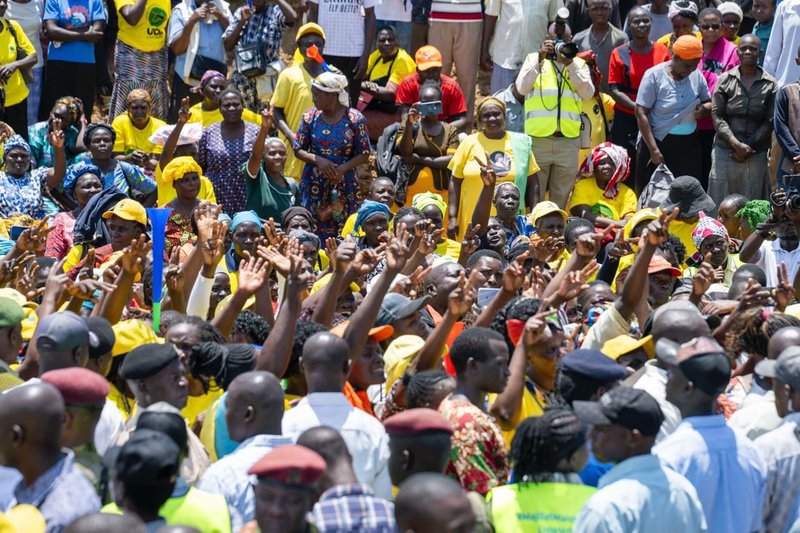
While the country has a long history of combative politics, the current trajectory suggests a campaign environment where character attacks could overshadow ideological differences or governance records.
For analysts, this is an early warning sign: the 2027 race may be defined less by competing visions for the country and more by the personalization of political rivalry.
At the heart of this escalation is a broader struggle for control of the political narrative.
Ruto, as the incumbent, is seeking to defend his record while maintaining authority within his coalition.
Gachagua, on the other hand, appears intent on recasting himself as both a victim of political betrayal and a rallying point for dissent within the ruling bloc and beyond.
The personal nature of the exchanges also reflects deeper strategic calculations.
By framing the contest in emotive and individual terms, both are tapping into populist instincts, aiming to humanize the rivalry and energize grassroots supporters.
However, this approach carries risks. It may galvanize core bases, but it also risks alienating undecided voters who expect issue-based leadership, especially amid pressing economic concerns.
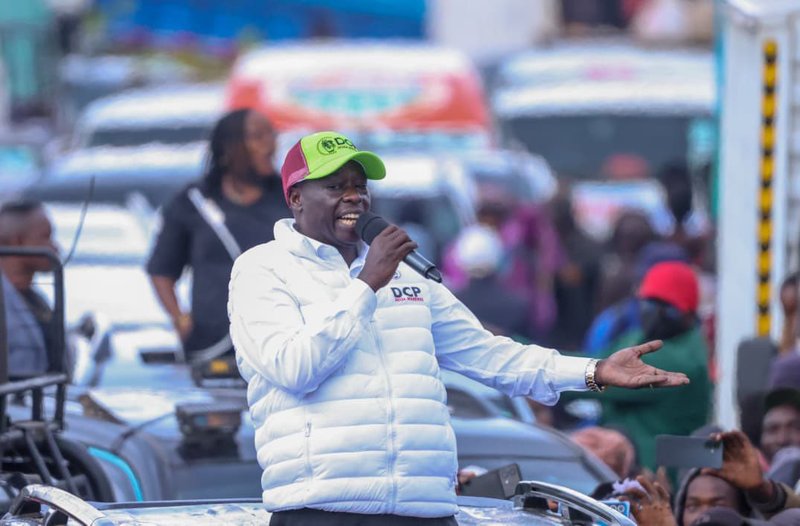
Moreover, the early timing of these hostilities, well before the official campaign period, raises the prospect of a prolonged and increasingly toxic political season.
If current trends hold, the country could witness an extended campaign cycle dominated by rhetoric rather than reform, with implications for governance, public trust, and institutional stability.
Ultimately, the Ruto–Gachagua fallout is no longer just a political disagreement; it is becoming a defining feature of the road to 2027.
Whether it remains a war of words or evolves into a broader realignment of political forces will shape not only the election outcome but also the tone and substance of Kenya’s democratic discourse in the years ahead.



Comments (0)
No comments yet. Be the first to comment!