

By Kimagata Marindany
Trans Mara, Narok - Renewed tribal clashes in Angata Barikkoi, Trans Mara South, have once again exposed the fragile security situation in parts of Narok County, with more than 1,800 people displaced in just three days.
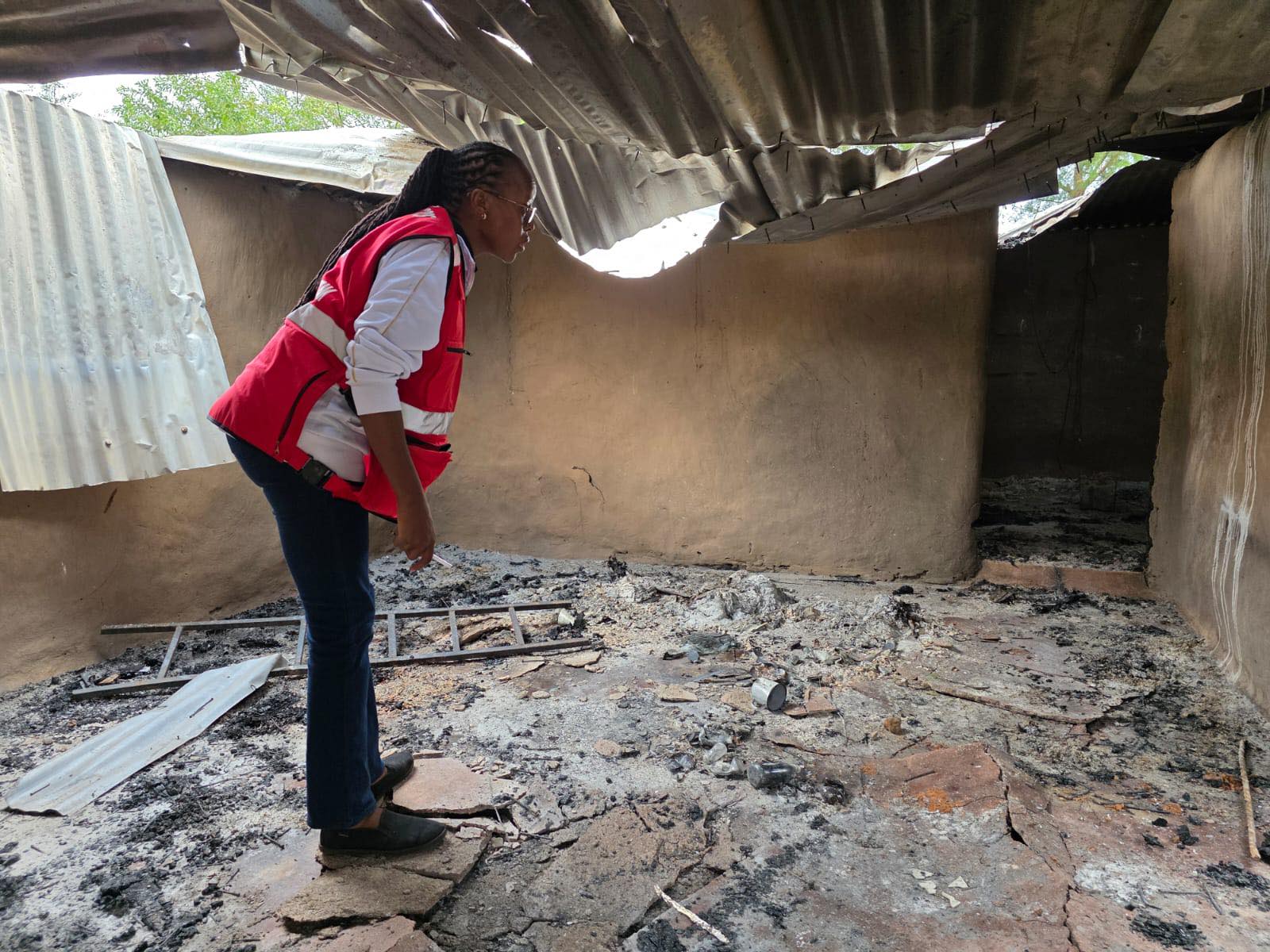
According to the Kenya Red Cross, at least 253 households have been destroyed, forcing families to seek refuge in schools, health facilities, open fields, and even under trees.
The rapid scale of displacement underscores how quickly localised conflicts can escalate into humanitarian emergencies.
The violence has disproportionately affected vulnerable groups, including children, women, and persons with disabilities.
With food stores torched during the attacks, many families now face not only homelessness but also acute food insecurity.
The destruction of livelihoods compounds an already dire situation, increasing dependence on humanitarian aid and stretching the capacity of emergency responders.
This latest crisis is not an isolated incident. Angata Barikkoi has a long history of tension rooted in land ownership disputes, banditry, and weak enforcement of security measures.
Just days before the current displacement, armed youths attacked nearby villages, burning houses and injuring residents. Earlier in the month, fatal shootings were reported, reinforcing residents’ fears that violence has become cyclical rather than exceptional.
Community coping mechanisms reflect the depth of insecurity. Families sheltering in a local primary school have reportedly adopted night-time security arrangements, allowing only children and elderly people to sleep while others remain alert.
Such measures highlight the absence of a sustained sense of safety, even in spaces meant to offer refuge.
Political and administrative responses have so far yielded limited results. While national and county leaders, including President William Ruto and Narok Governor Patrick Ole Ntuntu, have held consultative meetings, residents say tangible improvements on the ground remain elusive.
Previous interventions — such as the establishment of a GSU camp following deadly protests in April — have not fully stemmed the violence.
Local leaders are now calling for more decisive government action, including increased security deployment and long-term solutions to land disputes.
Their appeals reflect a broader concern that without addressing the root causes of conflict, emergency responses will remain temporary fixes.
As the Kenya Red Cross continues to provide food, shelter, and psychosocial support, the situation in Trans Mara serves as a stark reminder of how unresolved historical grievances can repeatedly erupt into humanitarian crises.
Lasting peace, residents argue, will depend not only on security operations but also on fair land policies, accountability, and sustained dialogue among communities.
Land Disputes Ignite Fresh Violence in Trans Mara, Displacing Over 1,800 Residents
County
December 20, 2025 17:36
218 views



Comments (0)
No comments yet. Be the first to comment!