
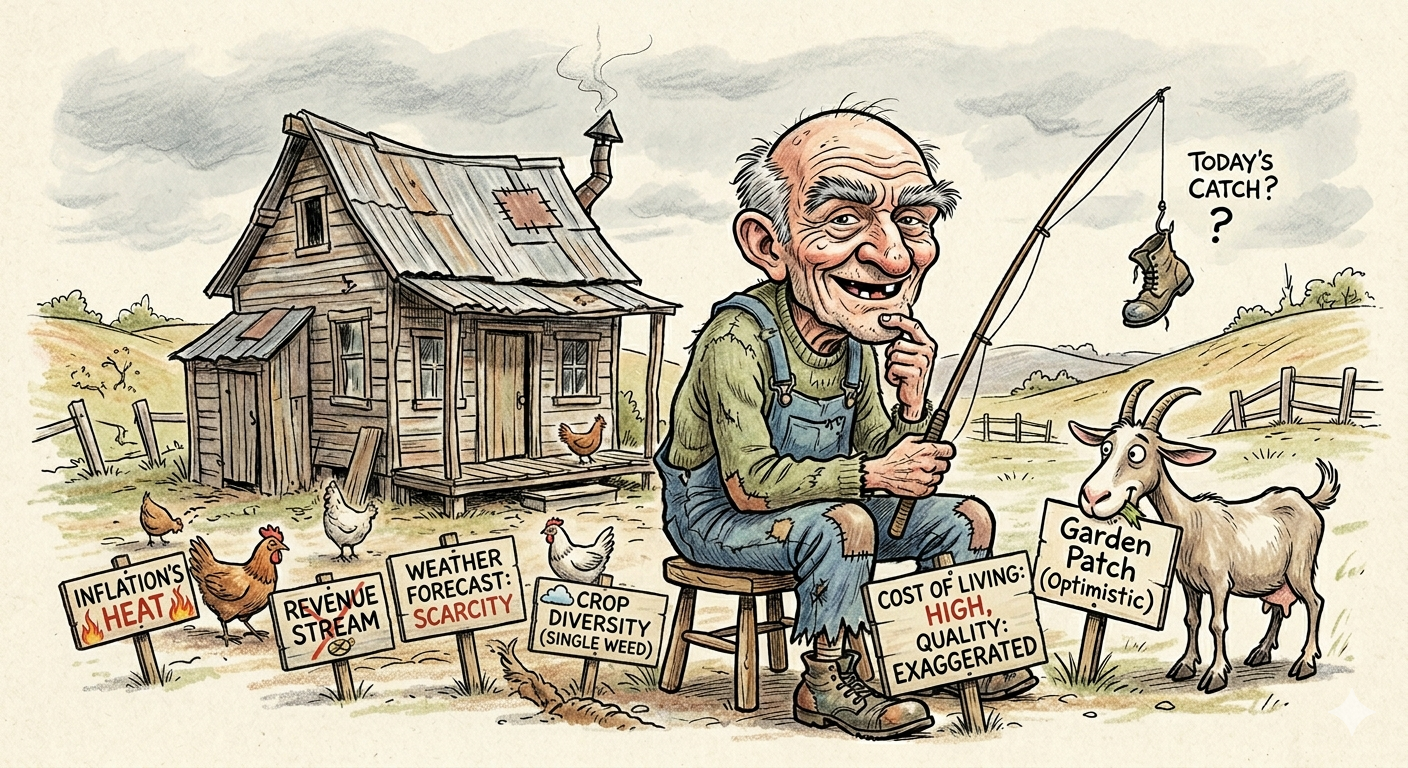
For many young people today, success seems to exist only in the city, while rural life is often associated with poverty and limitation. From a young age, we are conditioned to believe that leaving our villages is the only path to a better life. But is this truly reality or is it a perception we have built over time?
Over the years, migration from rural areas to cities like Nairobi has continued to rise. People move in search of better opportunities, higher incomes, and improved living standards.
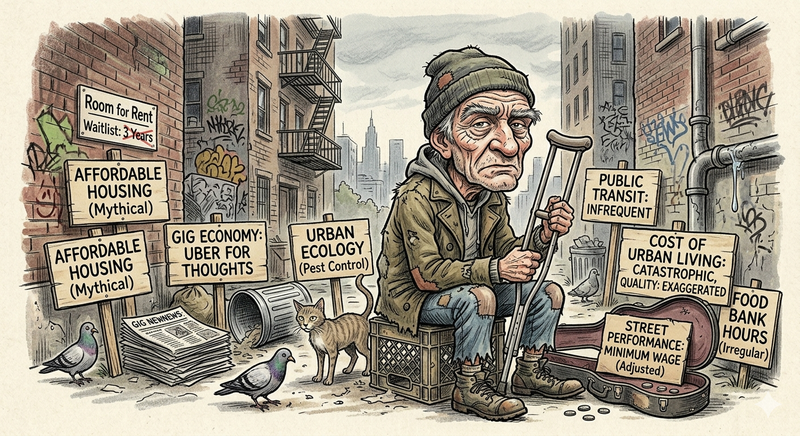
The city represents hope a place where dreams are expected to come alive. Yet, for many, that hope quickly turns into struggle.
Research shows that Nairobi continues to experience steady population growth, placing pressure on infrastructure, housing, and social services.
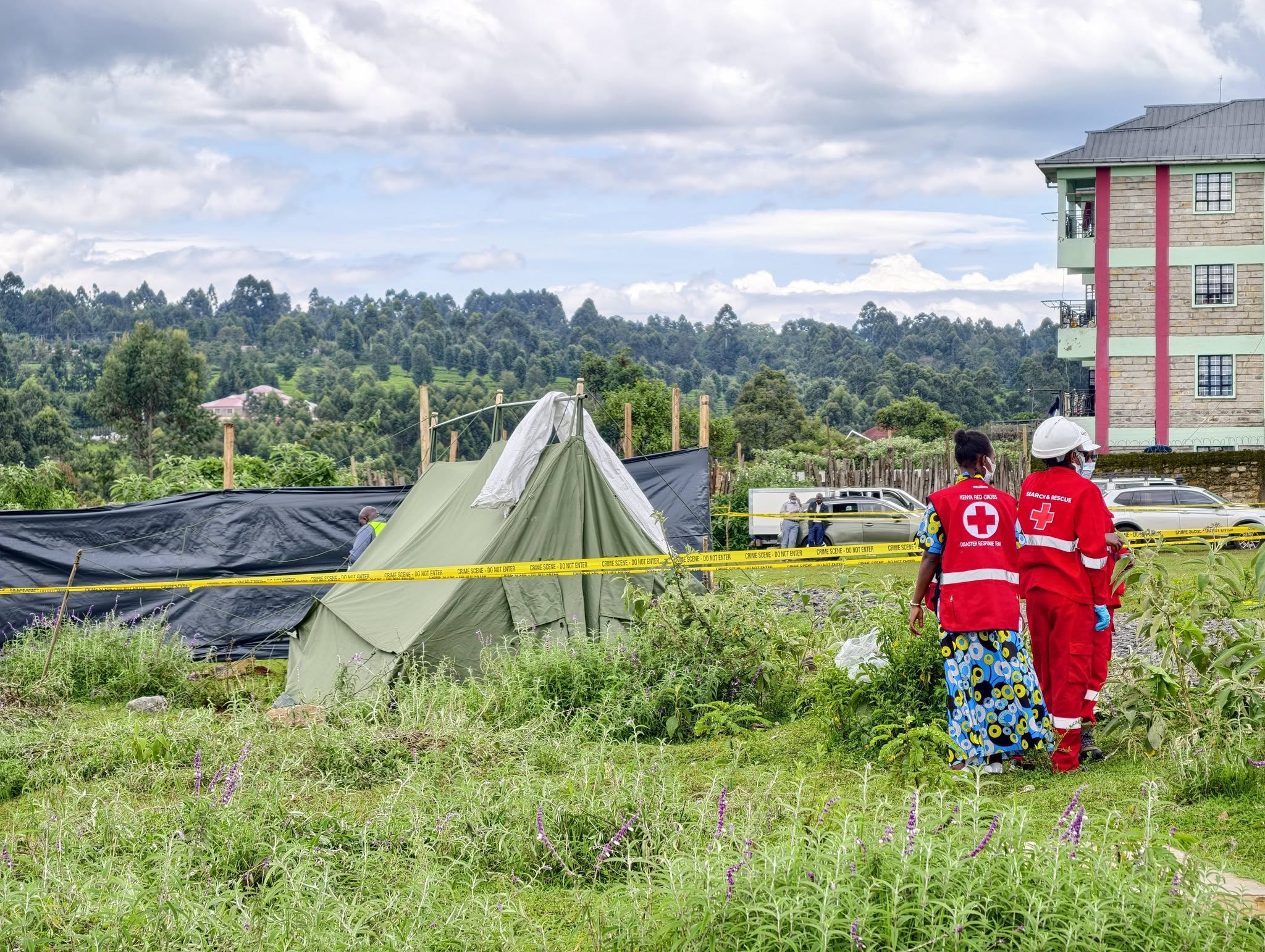
The recent floods that affected parts of the city exposed serious gaps in urban planning and preparedness. Lives were lost, families displaced, and many were left vulnerable.
These are not just natural disasters they reflect a system struggling to keep up with rapid urbanization.
This raises an important question: are infrastructure developments alone enough to transform lives?
The answer is no. While government efforts to improve roads, housing, and urban design are important, transformation must go beyond physical development. It must reach the grassroots level—particularly the youth.
Many young people migrate to the city without adequate preparation, skills, or guidance on how to navigate opportunities. As a result, some find themselves unemployed, underpaid, or even drawn into crime.
This is where the deeper issue lies not just in systems, but in our way of thinking.
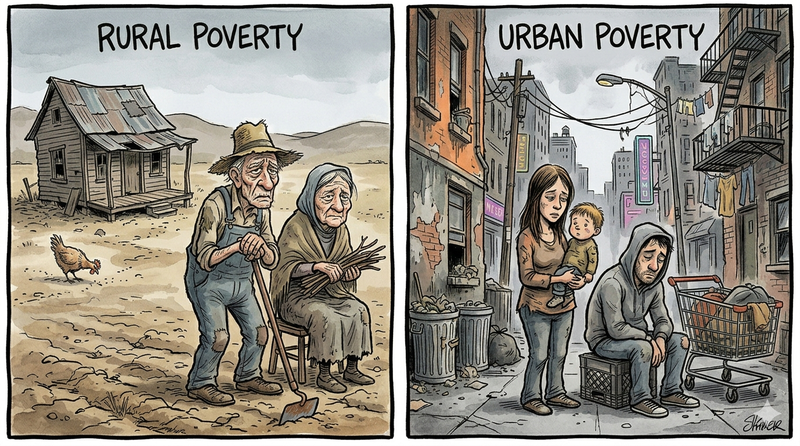
We have created a belief that success is only found in the city, ignoring the potential that exists within rural areas.
At the same time, we fail to equip young people with the knowledge and skills needed to turn their education into sustainable income whether in the village or the city.
Technical and vocational training institutions are producing skilled individuals, but without practical guidance on applying these skills, many remain stuck.
Programs that focus on entrepreneurship, career navigation, and innovation are essential if we are to create real change. When young people are empowered with the right knowledge, they can transform not only their own lives but also their communities.
At the same time, leadership must evolve. Those in administrative and planning positions must anticipate population growth and invest in systems that can accommodate it. A city should not become a place where people struggle to survive it should be an environment that supports growth, safety, and opportunity.
The reality is this: both individuals and institutions have a role to play.If young people shift their perspective and prepare adequately for the opportunities they seek, they reduce their risk of failure. If leaders adopt forward-thinking approaches to planning and development, cities can better support the populations they attract.
Ultimately, the future we experience, whether in rural areas or urban centers, will be shaped by the choices we make today.
So the question remains: are we changing our mindset to create opportunity, or are we continuing to chase spaces that are not prepared for us?



Comments (0)
No comments yet. Be the first to comment!